Why Soy Wax Candles Are Better: Indian Buying Guide 2026
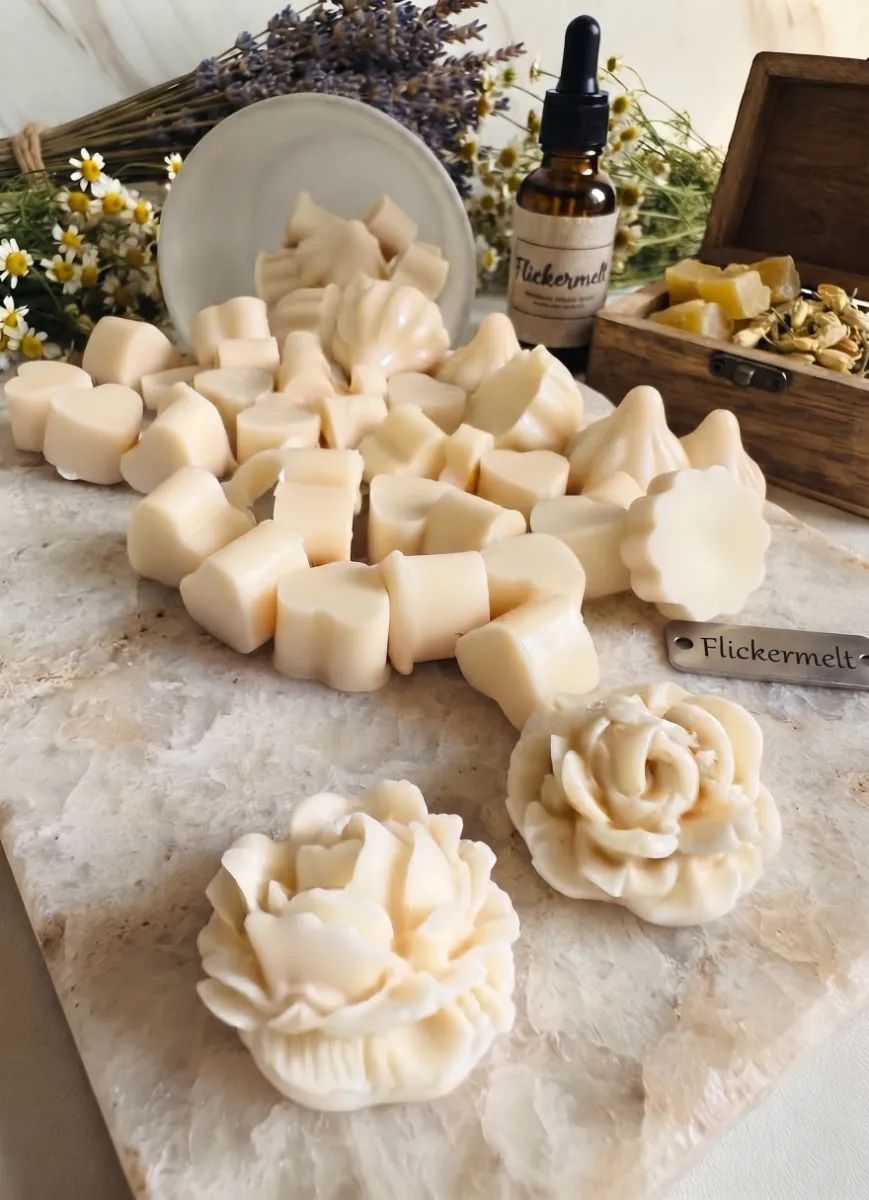
A comprehensive guide for the discerning Indian buyer on why soy wax is the superior choice for home fragrance, focusing on air quality and slow living.
Why Soy Wax Candles Are Better: An Indian Buyer's Guide 2026
In the quiet corners of our Indore studio, we watch the slow transformation of liquid vegetable oil into the solid, creamy blocks of wax that form the foundation of our craft. For the modern Indian home, where wellness and aesthetics now reside in equal measure, the choice of wax is not merely technical—it is an act of mindfulness. As we navigate 2026, the shift toward sustainable, high-performance home fragrance has led many to ask: why soy wax candles are better than their traditional counterparts?
Quick Answer: Why Soy Wax is Superior
Soy wax candles are better because they are made from a renewable, biodegradable resource that burns at a lower temperature than paraffin. This results in a cleaner burn without soot, a 30-50% longer lifespan, and a superior scent throw that carries fragrance more effectively across the vibrant, open spaces typical of Indian households.
The Physics of a Cooler Burn in the Indian Climate
One of the most significant reasons why soy wax candles are better suited for the Indian subcontinent is their melting point. Traditional paraffin wax is a derivative of petroleum and requires a much higher temperature to melt. In the warm, often humid climate of cities like Indore or Mumbai, a paraffin candle can burn away far too quickly, becoming a molten puddle and losing its fragrance integrity.
Soy wax, being a natural derivative of soyabeans, has a lower melting point. This "cool burn" ensures that the wax pool expands slowly and evenly. For the buyer, this translates to value. A 200g soy wax candle will frequently outlast a paraffin candle of the same weight by nearly double the hours. When you light a French Vanilla jar, you are not just buying a scent; you are investing in thirty to forty hours of steady, flickering light.
Air Quality and the Modern Wellness Interior
As we become more conscious of the air quality within our homes, the material we burn matters. Paraffin candles, when lit, can release small amounts of volatile organic compounds (VOCs). In contrast, soy wax is carbon neutral. It does not produce the unsightly black soot that stains white marble surfaces or delicate upholstery.
For those who value a pristine living environment, uncoloured soy wax offers a purity that blends seamlessly into minimalist or heritage Indian decor. Because soy wax is non-toxic and biodegradable, it aligns perfectly with the principles of Satvic living—keeping the home environment pure, breathable, and calm.
Comparison: Soy Wax vs. Traditional Paraffin
| Feature | Soy Wax (Flickermelt) | Traditional Paraffin |
|---|---|---|
| Source | 100% Renewable Soyabeans | Petroleum By-product |
| Burn Cleanliness | Zero soot, non-toxic | Potential for black soot |
| Burn Time | 30-50% Longer | Fast, uneven burn |
| Scent Throw | Gradual, consistent release | Initial burst, then fades |
| Sustainability | Biodegradable | Non-biodegradable |
The Olfactory Advantage: Scent That Lasts
In the world of luxury home fragrance, the "throw"—how well a scent fills a room—is everything. Soy wax is naturally better at holding onto essential and fragrance oils. Because the wax burns slowly, the oils are released gradually rather than all at once. This creates a consistent olfactory experience from the first light to the very bottom of the jar.
Whether it is the nostalgic petrichor of Gilli Mitti during a dry summer afternoon or the spicy warmth of Cinnamon & Gardenia during the winter wedding season, soy wax ensures the fragrance remains true. It doesn't have the chemical "oily" undertone that can sometimes distort the profile of high-end perfumes in paraffin bases.
A Sustainable Choice for the Festive Season
India’s culture is one of celebration. From Diwali to housewarmings, light plays a pivotal role in our rituals. Choosing soy wax is a vote for sustainability within these traditions. Supporting hand-poured, small-batch candles also supports artisanal craftsmanship over mass-produced industrial goods.
When choosing a gift, the quality of the wax speaks volumes about the giver’s intent. A soy candle is a gift of time—a slower, more deliberate burn that encourages the recipient to pause. For those looking to celebrate new beginnings, knowing how to choose a candle for a housewarming gift often starts with selecting a clean-burning soy base that won't overwhelm a new space with smoke.
Frequently Asked Questions
Are soy wax candles really better for the environment?
Yes. Soy wax is made from soyabeans, a renewable resource. Unlike paraffin, which is a non-renewable fossil fuel, soy is biodegradable and carbon neutral, making it the responsible choice for eco-conscious Indian consumers in 2026.
Why does my soy candle have a rough top after burning?
This is a signature of 100% natural soy wax. When the wax cools at different rates, it can create a slightly cratered or textured surface. This does not affect the performance of the candle; in fact, it is a way to verify that your candle is truly made of soy and not a paraffin blend.
Does soy wax lose its smell over time?
If stored correctly, soy wax retains its fragrance beautifully. Because the wax is denser, it locks in the fragrance oils. We recommend keeping your candles in a cool, dry place away from direct sunlight to preserve the top notes of scents like lavender or citrus.
Is soy wax safe for homes with children?
Soy wax is non-toxic and produces significantly less soot than paraffin candles. However, always burn candles on a stable, heat-resistant surface and never leave them unattended around children or pets.
Conclusion: The Flickermelt Philosophy
At Flickermelt, our transition to soy wax was a conscious decision rooted in our heritage of slow living. We believe that a candle should enhance a room, not pollute it. By choosing soy, you are opting for a cleaner, longer, and more fragrant experience that respects both your home and the environment. As you curate your sensory landscape this year, remember that the best glow is one that leaves no trace behind, save for a lingering, beautiful memory.
Keep reading
- Are Scented Candles Eco-Friendly? Indian Buyer Guide 2026
A deep dive into the sustainability of home fragrance, exploring wax origins, biodegradable components, and the environmental impact of Indian candle choices.
- Why Soy Wax Candles Online Are Superior — 2026 Buyer's Guide
A professional 2026 guide to navigating the digital landscape of luxury home fragrance, focusing on the sensory value and purity of soy wax candles online.
- Gifts for Housewarming India: Are Soy Candles Safe for Homes?
A professional guide to why artisanal soy candles are the safest, most sophisticated gifts for housewarming India in 2026, focusing on indoor air quality.