Why Soy Wax Candles Are Soot-Free — An Indian Buyer's Guide
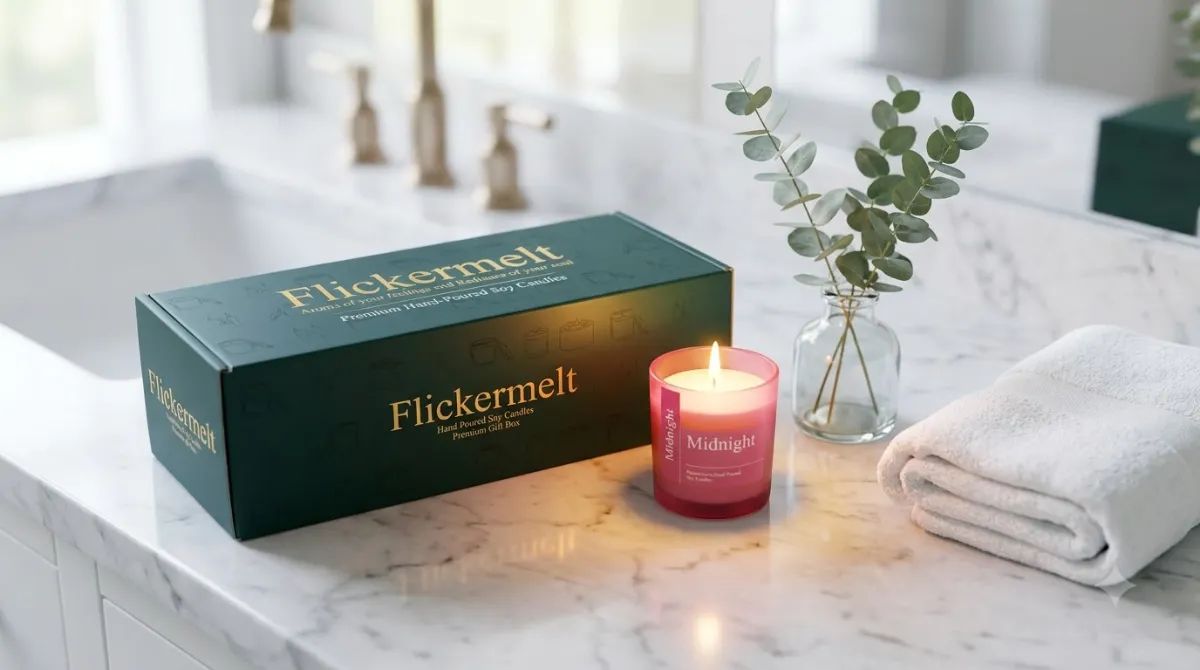
A deep dive into the physics of clean-burning soy wax and how it preserves the sanctity and air quality of modern Indian living spaces.
Why Soy Wax Candles Are Soot-Free — An Indian Buyer's Guide (2026)
In the quiet humidity of an Indore monsoon or the crisp air of a Delhi winter, the air inside our homes becomes a sanctuary. As we move toward more mindful living in 2026, the discerning Indian buyer is no longer just looking for a pleasant aroma; they are looking for purity. The primary reason many are pivoting toward botanical wax is the promise of a clean, carbon-neutral flame.
Quick Answer: Why is Soy Wax Soot-Free?
Soy wax candles are considered soot-free because soy is a hydrogenated vegetable oil with a lower melting point than petroleum-based waxes. This allows for a complete, cooler combustion process that releases significantly fewer carbon particles (soot) into the air, preventing the black residue often found on walls and upholstery in Indian homes.
The Physics of a Clean Burn in the Indian Climate
Unlike paraffin, which is a byproduct of the oil refining process, soy wax is derived from the soybean. In the context of a luxury home, this distinction is functional. Paraffin candles often produce a heavy, dark smoke if the wick is not perfectly maintained. This soot is not merely an aesthetic nuisance; it settles on white marble floors, silk curtains, and delicate Tanjore paintings.
Because soy wax has a lower combustion temperature, the molecular breakdown of the wax is more efficient. When you light a hand-poured vessel, such as the Mindful Oasis, the heat is distributed evenly. This prevents the flash-burning of fragrance oils, which is a common cause of secondary soot production in mass-produced candles. For the Indian buyer, this means the air remains light, even in smaller, air-conditioned apartments where ventilation might be limited.
Comparing Wax Performance: Soy vs. Paraffin
Understanding the technical specifications of your home fragrance helps in making an informed investment. The following table highlights why artisanal soy wax remains the gold standard for indoor air quality in 2026.
| Feature | Botanical Soy Wax (Artisanal) | Paraffin Wax (Mass Market) |
|---|---|---|
| Soot Production | Negligible / Near-Zero | High (Petro-carbon) |
| Burn Temperature | Cool / Slow | High / Rapid |
| Air Quality Impact | Non-toxic, biodegradable | VOC emissions (Benzene/Toluene) |
| Fragrance Delivery | Gradual, true-to-note | Rapid, chemical-heavy |
| Vessel Cleanup | Easy (Soap and Water) | Difficult (Scraping/Chemicals) |
Preserving Your Interiors from Carbon Residue
One of the most frequent concerns for homeowners in India is the maintenance of light-toned interiors. Traditional candles often leave a "ghosting" effect—a thin layer of grey carbon—on ceilings and air conditioning vents. By choosing a soot-free medium, you protect the architectural integrity of your space.
For those who prefer deep, grounding notes, the Musky Affair – Musk provides a rich olfactory experience without the heavy smoke associated with synthetic musks and petroleum bases. The soy wax acts as a clean carrier, ensuring that the scent profile—reminiscent of ancient woods—remains crisp and untainted by the smell of burning plastic.
Why Fragrance Purity Depends on a Soot-Free Flame
Soot isn't just a physical byproduct; it is an olfactory one. When a candle produces excess carbon, that carbon interferes with the delicate top notes of a fragrance. If you are burning a complex blend like Musing Moments, Cinnamon & Gardania, a clean burn is essential to experience the contrast between the spice and the floral softness.
A soot-heavy flame will mask the gardenia's creaminess with a burnt, acrid undertone. In 2026, the trend in Indian luxury home fragrance is moving toward these sophisticated, multi-layered profiles that require the neutral background of a pure soy base. To understand how these scents behave in different environments, you may find our guide on how to scent a high ceiling living room in India helpful.
Sustainable Gifting and the Soot-Free Promise
In Indian culture, gifting is an extension of respect. When selecting a gift for a housewarming or a wedding, the safety of the recipient's home is paramount. A paraffin-free, soot-free candle is a thoughtful choice that respects the health of the household.
Artisanal soy candles, particularly those that are hand-poured in small batches in cities like Indore, offer a level of quality control that prevents common burn issues. When you gift a luxury item, you are gifting an experience of slow living—one that should be free from the worry of indoor pollutants. For more on selecting the right vessel for a new home, see our journal entry on how to choose a candle for a housewarming gift in India.
Frequently Asked Questions
Can any candle be 100% soot-free?
While no flame is entirely free of combustion byproducts, soy wax candles are effectively soot-free when burned correctly. Minimal soot only occurs if the wick is too long or placed in a heavy draft.
Does soot-free mean the candle is safer for my walls?
Yes. Unlike petroleum-based soot, which is oily and stains surfaces, the negligible emissions from soy wax do not leave dark residues on walls, ceilings, or furniture.
How does the Indian climate affect soot production?
High humidity can sometimes cause a wick to mushroom, which leads to flickering and soot. Using soy wax, which handles humidity better than paraffin, and keeping wicks trimmed to 1/4 inch ensures a clean burn even during the monsoon.
The Flickermelt Commitment to Air Purity
At Flickermelt, every 200g or 130g jar is a result of patient craftsmanship. We choose soy wax not just for its sustainable credentials, but for the clarity of the flame. Whether it is the nostalgia of the rains captured in Gilli Mitti or the warmth of a morning ritual, our candles are designed to vanish into the air, leaving only the fragrance behind—never the soot.
For those interested in the broader environmental impact of their home choices, exploring why soy wax candles are better: Indian buying guide 2026 offers a comprehensive look at the shift toward botanical luxury.
Keep reading
- Thank You Gifts vs Traditional Hampers: Which Is Better?
A professional guide to selecting thank you gifts in India, comparing the lasting sensory impact of soy wax candles against traditional gifting alternatives.
- Top 5 Candle for Bedroom to Buy in India (2026)
Transform your sleeping sanctuary with our 2026 guide to selecting the most restorative artisanal soy wax candles for the Indian bedroom.
- How to Choose Festive Gifts for Celebrations in India 2026
A professional guide to choosing high-performance soy wax candles as festive gifts in India, focusing on fragrance layering, botanical purity, and heritage.