Soy Wax vs Beeswax Candles: Which Is Safer for Your Home?
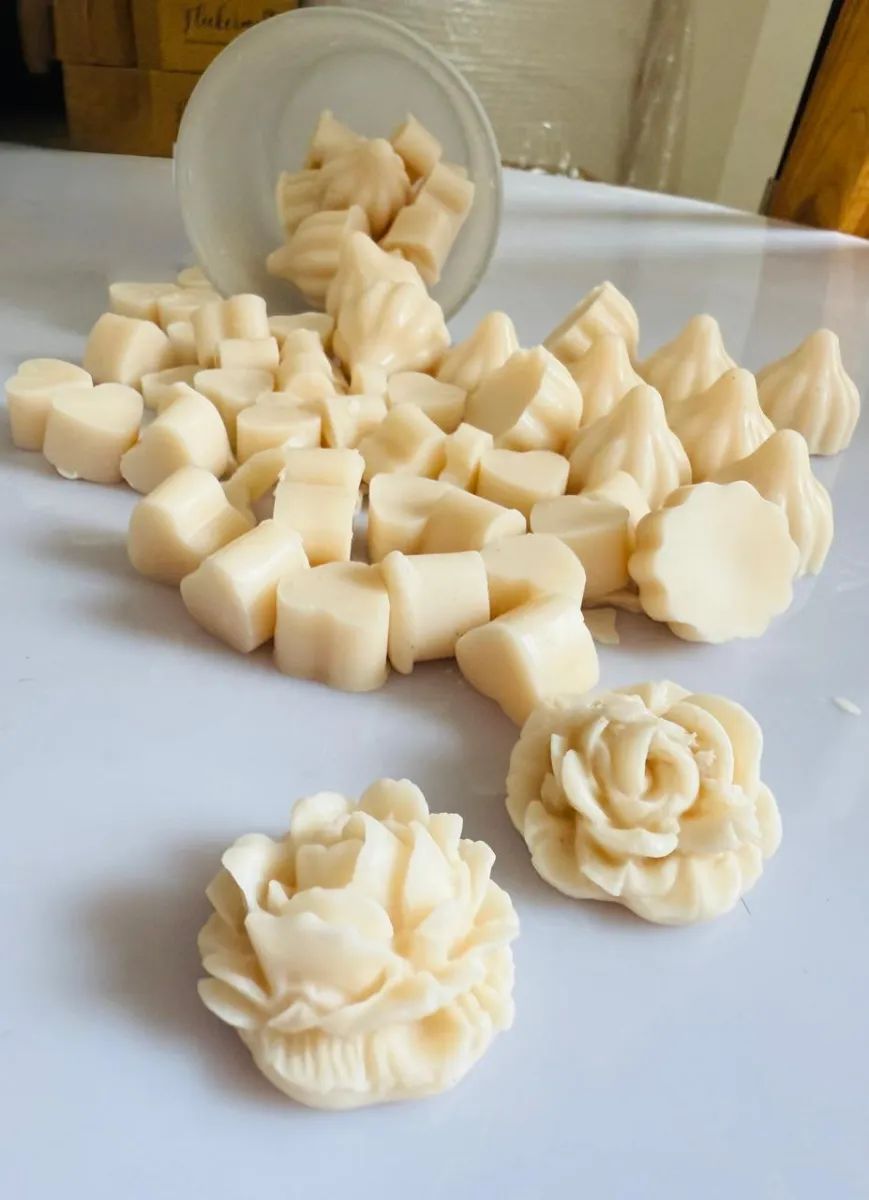
A detailed comparison of soy and beeswax candles, focusing on safety, indoor air quality, and fragrance performance for the discerning Indian buyer in 2026.
Soy Wax vs Beeswax Candles: Which Is Safer for Your Home?
As we navigate the nuances of indoor air quality in 2026, the choice of what we burn in our living spaces has moved from mere aesthetics to a core wellness decision. For those curated homes in India where every object is chosen with intent, the debate between two botanical giants—soy wax and beeswax—is more relevant than ever. Choosing between these natural mediums requires an understanding of their molecular behaviour, sustainability, and how they interact with the distinct humidity of Indian seasons.
Quick Answer: Soy Wax vs Beeswax Safety
Both soy wax and beeswax are significantly safer than paraffin, being biodegradable and non-toxic. Soy wax is arguably better for fragrance lovers, offering a clean, soot-free burn with a superior scent throw. Beeswax burns hotter and longer but has a natural honeyed aroma that can interfere with complex perfumes. For most Indian homes, uncoloured soy wax provides the most versatile, cruelty-free, and hypoallergenic experience.
The Combustion Profile: Why Wax Origins Matter
In the intense heat of an Indian summer or the heavy stillness of a monsoon night, the way a wax combusts dictates the air you breathe. Soy wax, derived from the hydrogenated oil of soybeans, has a lower melting point. This translates to a 'cooler' burn that prevents the charring of fragrance oils, ensuring that what you inhale is the intended perfume rather than smoke.
Beeswax is a denser, more complex material produced by honeybees. While it is celebrated for its longevity, its high melting point requires a larger, hotter flame. This can sometimes lead to uneven burning in draughty rooms or under ceiling fans. For those prioritising a scent-first experience, soy wax acts as a neutral canvas, allowing delicate notes in a warm French vanilla to remain crisp and unadulterated.
Performance Comparison: Burn Time and Scent Throw
The following table outlines the key differences between premium soy wax and traditional beeswax for a standard 200g vessel in 2026.
| Feature | Soy Wax (Flickermelt Standard) | Beeswax (Traditional) |
|---|---|---|
| Burn Time (200g) | 45–50 Hours | 55–65 Hours |
| Scent Throw | High (Excellent Hot & Cold Throw) | Moderate (Masked by natural scent) |
| Soot Production | Minimal to Zero | Very Low |
| Ethical Profile | Vegan / Plant-based | Animal By-product |
| Melting Point | 48°C — 54°C | 62°C — 64°C |
| Cost (India 2026) | Premium / Accessible | High / Luxury |
The Fragrance Dilemma: Neutrality vs. Natural Aroma
One of the most critical factors for Indian buyers is how a candle fills a room. Beeswax carries a distinct, sweet scent of honey and pollen. While pleasant, it is a dominant base. If you are seeking the sharp, invigorating clarity of a freshly brewed coffee candle, the underlying honey scent of beeswax may muddy the olfactory profile.
Soy wax is chemically neutral. This allows master blenders to layer intricate top, heart, and base notes without interference. Whether it is the earthy dampness of petrichor found in Gilli Mitti or the spicy warmth of cinnamon, soy wax preserves the integrity of the fragrance oil. This neutrality is why soy remains the gold standard for high-end artisanal candles that aim to evoke specific memories or atmospheres.
Environmental and Ethical Footprints in India
Sustainability is no longer a buzzword; it is a requirement for the modern Indian household. Soy wax is a renewable resource, often sourced from vast agricultural cycles that support carbon sequestration. In 2026, the traceability of soy has improved, making it a reliable choice for those following a vegan or plant-based lifestyle.
Beeswax, while natural, is an animal by-product. Its harvest can be invasive to bee colonies if not managed with extreme care. For many, the choice of soy is a choice for cruelty-free luxury. This alignment with 'ahimsa' or non-violence fits naturally within many Indian homes that value the harmony between nature and domesticity.
Understanding Indoor Air Quality and Respiratory Health
When we burn a candle, we are essentially performing a chemistry experiment in our living rooms. Many paraffin-based candles release VOCs like toluene and benzene. Switching to natural waxes eliminates these risks. Soy wax stands out because it produces significantly less soot than almost any other combustible material.
In the context of Soy Wax vs Paraffin Candles: Which Is Safer?, we see that soy provides a middle ground of high performance and clean air. It does not produce the 'black smoke' that stains walls and irritates the lungs, making it safer for homes with children, pets, or individuals with sensitive respiratory systems.
How to Maximise the Safety of Your Scented Candles
To ensure your luxury soy candle performs at its peak in the Indian climate, follow these slow-living rituals:
- The First Burn: Always allow the wax to melt to the very edge of the glass. This prevents 'tunnelling' and ensures you get every hour of the 45-50 hour burn time.
- Wick Care: Trim your cotton wick to 1/4 inch before setiap lighting. This keeps the flame controlled and the burn clean.
- Placement: Avoid placing candles directly under high-speed ceiling fans, which can cause flickering and uneven melting.
Frequently Asked Questions
Is soy wax better for allergies than beeswax? Yes, soy wax is typically better for those with allergies. Beeswax contains natural pollens and honey proteins that can occasionally trigger sensitivities, whereas pure soy wax is hypoallergenic and scent-neutral.
Which wax lasts longer in the Indian heat? Beeswax has a higher melting point, meaning it resists softening in extreme heat better than soy. However, when lit, soy wax offers a more consistent and controlled burn that is easier to manage in indoor environments.
Can I use soy candles in a small Puja room? Absolutely. The clean-burning nature of soy wax makes it ideal for small, enclosed spaces like prayer rooms or studies where air circulation might be limited. It provides the light and scent without the heavy smoke of traditional oil lamps or paraffin.
Why is soy wax often preferred for luxury gifting? Soy wax is the preferred medium for luxury brands because it allows for sophisticated fragrance design. When gifting for occasions like a housewarming, a soy candle such as a serene lavender scent offers a professional, clean finish that suits contemporary interior decor better than the rustic look of beeswax.
Keep reading
- Gifts for Housewarming India: Are Soy Candles Safe for Homes?
A professional guide to why artisanal soy candles are the safest, most sophisticated gifts for housewarming India in 2026, focusing on indoor air quality.
- Why Soy Wax Candles Are Soot-Free — An Indian Buyer's Guide
A deep dive into the physics of clean-burning soy wax and how it preserves the sanctity and air quality of modern Indian living spaces.
- Is Home Fragrance India Safe? What 2026 Buyers Should Know
A professional 2026 guide evaluating the safety of home fragrance in India, focusing on the atmospheric benefits of botanical soy wax and artisanal purity.